Interview with Dr. Karen Rihani
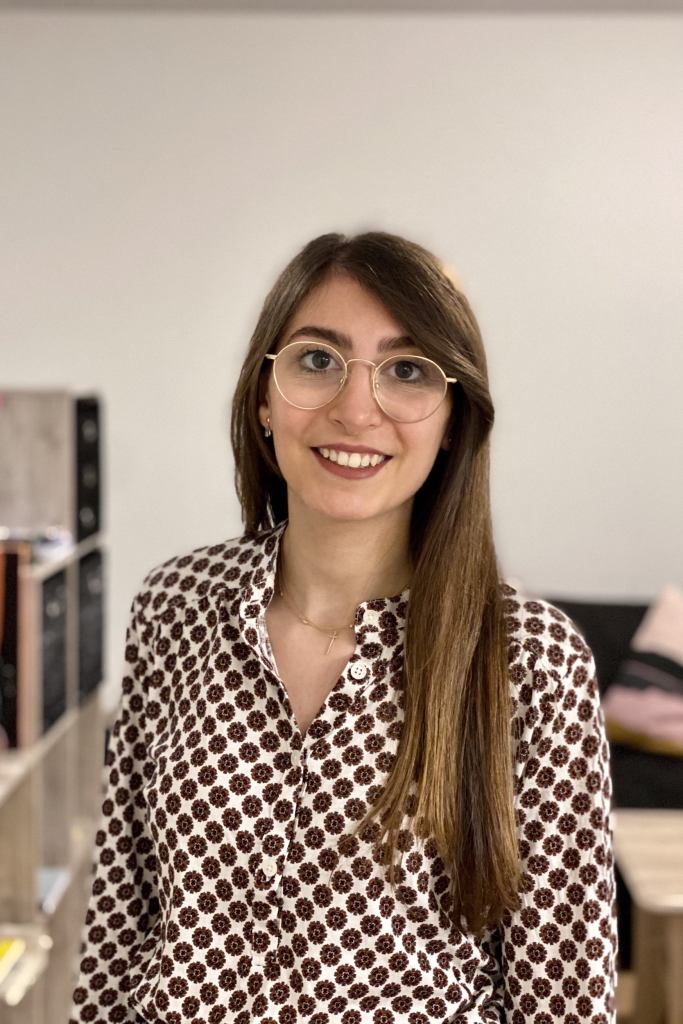
Postdoctoral researcher at the Max Planck Centre nGICE
Soapbox: Did you choose a scientific career or did the scientific career choose you?
Karen Rihani: I chose a scientific career, because of my curiosity for science and my love for laboratory work.
SB: What was the key moment that brought you to the place where you are today?
KR: The key moment that brought me to the place where I am is the moment when I decided to continue my education abroad, in France. Along this path many other moments guided my decisions.
SB: What is your scientific superhero power? Or what superhero would you be?
KR: I am the fruit fly’s phycologist; fruit flies open up to me about their weird preferences.
SB: What is the most exciting aspect of your research?
KR: The most exciting aspect of my research is first our capacity to link insect behavior to a specific neuronal response. Second is to be able to study the impact of climate change on the neuronal and behavioral responses of insects.
SB: If you were stranded on a desert island, what scientific equipment would you bring with you?
KR: I would take the Two-photon microscope, an essential machine for me and my colleagues. Like this I am certain that they will come looking for it and rescue me in the process.
SB: What challenges do you encounter in science?
KR: The everyday life of a scientistic is full of challenges, such as facing and accepting failure. It is actually hard to accept that the hypothesis that you thought about for years might not be the answer that you were looking for. Another challenge is to collaborate with many people from different fields and nationalities. Also, an important challenge that we face every day is to convince high scientific comities and our colleagues about the importance of our project.
SB: What motivates you to give a talk in Soapbox Science?
KR: One of my passions is to take part in popularization of science events. I believe that as a scientist, my duties don’t include only my work in the laboratory but also includes sharing my scientific interests and results with everyone. In fact, one important aspect of research is to make it accessible to everybody. In addition, participating in the Soapbox Science helps me understand and develop my project. In fact, creating and presenting a workshop opens up new questions not took in consideration during laboratory work.
SB: Do you have a few words to inspire other women or young scientists?
KR: The technology and the knowledge available today are the product of the curiosity and passion of scientists. I know that doing science is not easy and is full of challenges, but you should think twice before turning your back on science. Nothing should stop you from doing what you love and what you believe in. You should at least give yourself a chance in research and maybe one day you will make an amazing discovery.
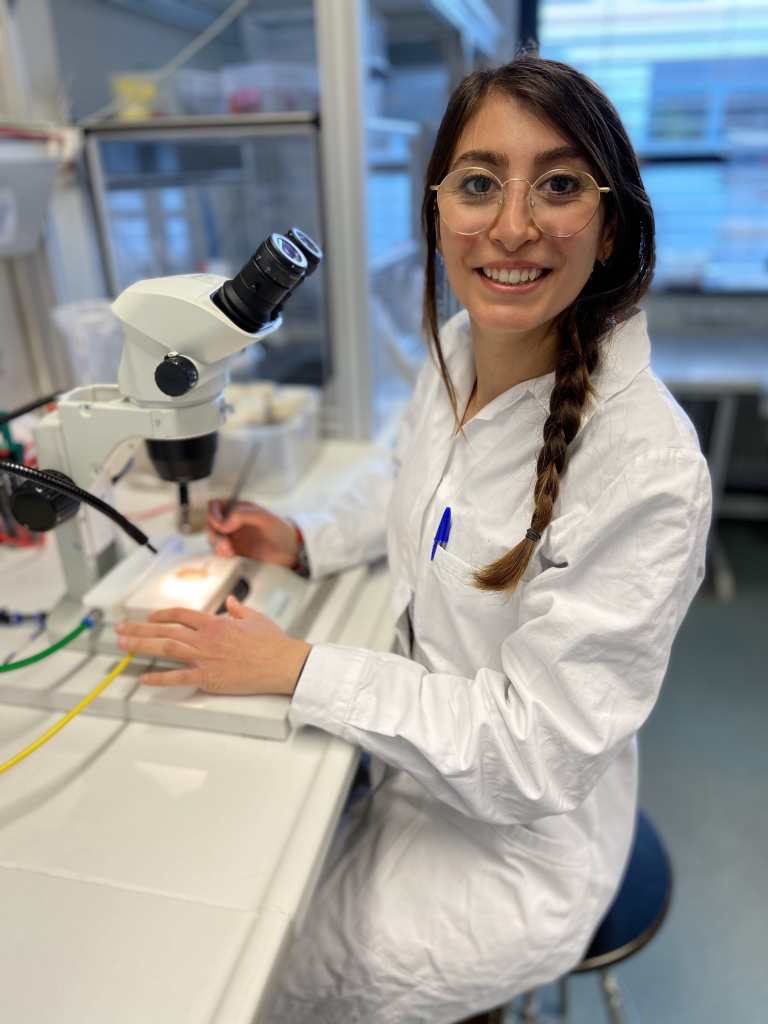
Postdoctoral researcher at the Max Planck Centre nGICE
SB: In these quarantine days, what funny/interesting experiments, books, talks or podcasts can you recommend to our audience?
KR: I follow many podcast and YouTube channels that present interesting scientific topics presented in a amusing way such as:
Podcast: The People’s Scientist podcast.
YouTube channels: Karambolage in French- ARTE, SmarterEveryDay, Deep Look, Scilabus, zefrank1.
You can connect with Karen on Twitter, LinkedIn, Instagram, and Facebook.
 Soapbox Science Munich