Insights into the Interior of the Earth by Wiebke Schäfer
Wiebke Schäfer is a PhD student at the GeoZentrum Nordbayern, which is part of the Friedrich-Alexander University Erlangen-Nürnberg (FAU). Her work as a geoscientist involves studying the chemical composition of oceanic crust rocks to understand geodynamic processes in the Earth’s interior.
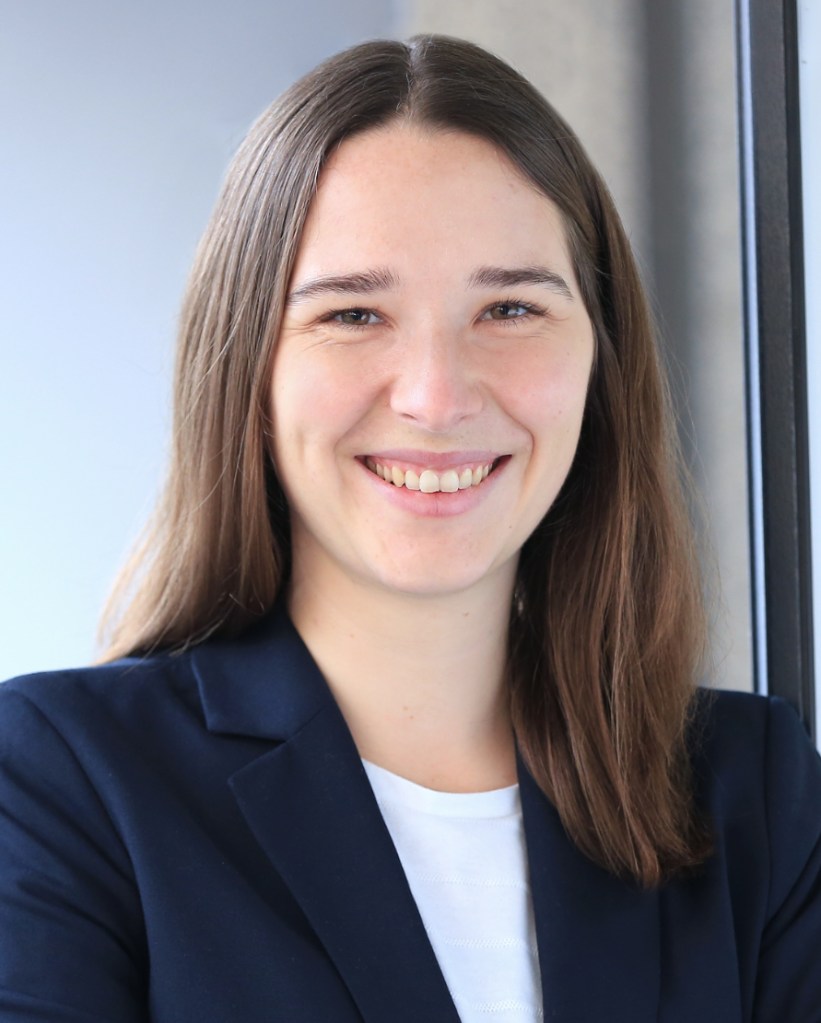
GeoZentrum Nordbayern (Friedrich-Alexander Universität Erlangen-Nürnberg)
I have been captivated by the wonders of nature and its vast diversity from an early age and decided that I would like to explore it “once I grow up”. My fascination led me to pursue a career in geosciences. In particular, I was fascinated by volcanoes and the unimaginably large system of the earth, especially the system that lies beneath our feet. Have you ever wondered what the earth looks like on the inside? This question occupies many scientists because, with knowledge of the Earth’s interior, we can understand how mountain formation, crustal expansion or volcanic eruptions influence habitats on Earth and the formation of geo-resources.
My research focuses on investigating different magmatic systems that occur at different plate boundaries. But what are plate boundaries, you may ask? Imagine the Earth’s crust as a lighter solid layer floating on a heavier plastic (like play dough) mantle. However, the Earth’s crust is not a coherent system but rather is divided into more than 50 pieces, like a puzzle. These individual parts of the Earth’s crust are also called plates. These individual plates move at the speed of only centimetres each year and create different types of plate boundaries. For instance, when two plates move away from each other, a so-called rift zone or a mid-ocean ridge is formed. In other places, when plates move toward each other one plate can dive under another forming a subduction zone. Such a collision can form a mountain range. It is also possible that plates slide past each other.
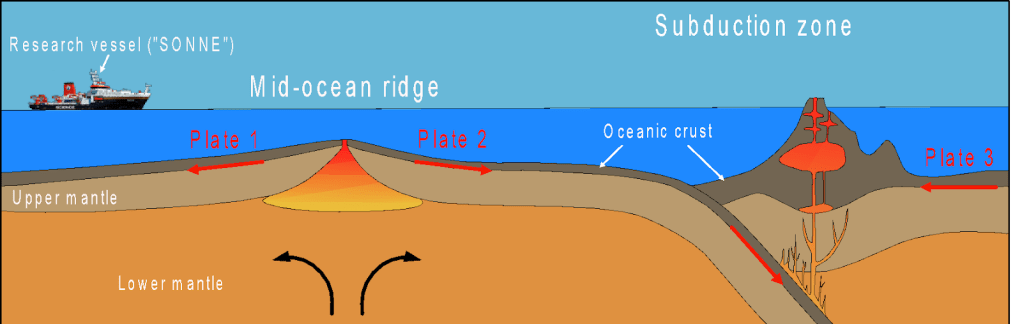
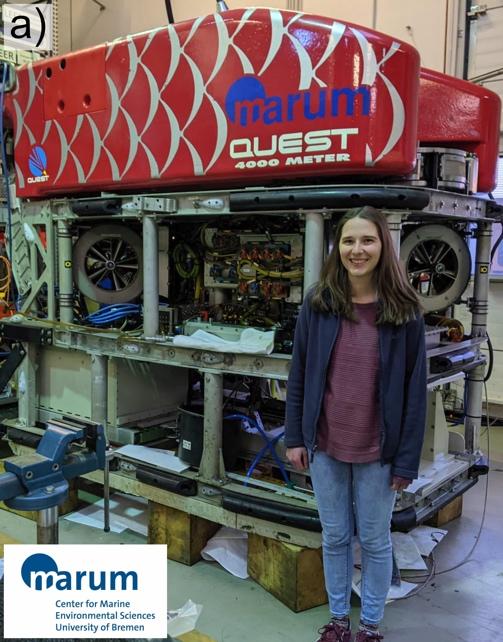
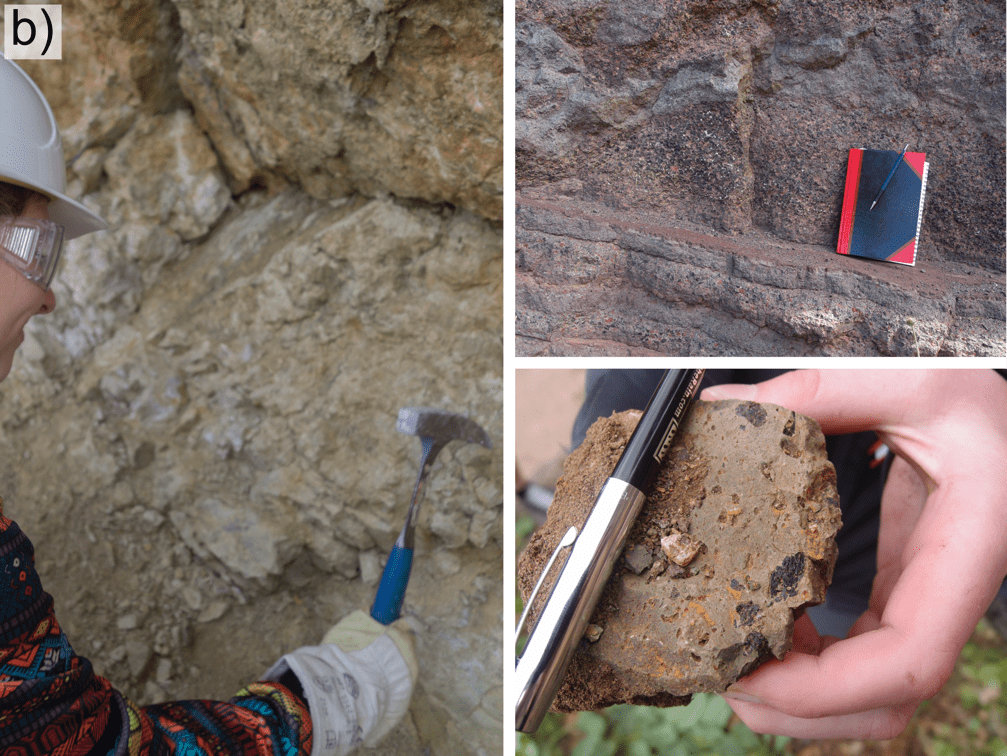
GeoZentrum Nordbayern (Friedrich-Alexander Universität Erlangen-Nürnberg)
At the plate boundaries magma often forms because of the high energies. The types of plate boundaries are different, so are their associated magmatic systems. We study them by analyzing rocks collected from plate boundaries such as mid-ocean ridges and subduction zones. Research vessels equipped with specialized equipment and crews are needed to collect rock samples from these areas since most are thousands of meters underwater and humans cannot dive this deep. Remote-controlled vehicles, special drilling devices and metal baskets that are dragged to the ocean floor (dredges) which are used to recover the rocks from this depth.
We document and analyze the samples on board and then transport them to the shore for further studies. By analyzing these rock samples, scientists from various disciplines gain insights into the processes within the oceanic crust, which is extremely interesting.
Geosciences do not only have volcanoes and magmatic systems to offer but a diverse range of topics, including climate, building materials science, soil science, geophysics, reservoir science, and much more. It is the vast range of topics within geosciences that makes them so special and that is what I like so much about this field.
However, research endeavours can be challenging, and setbacks can be discouraging. It is important to note that research is a team effort, and more importantly, my peers and family have been providing me with valuable support during challenging times. I am grateful for the guidance and encouragement of my undergraduate mentor, Prof. Dr. François Holtz, and my current supervisors, Dr. Manuel Keith and PD Marcel Regelous at the GeoZentrum Nordbayern at FAU, who are actively supporting me and accompanying me through my PhD.
You can connect with Wiebke on LinkedIn or ResearchGate.
 Soapbox Science Munich