A Non-Linear Journey into Science
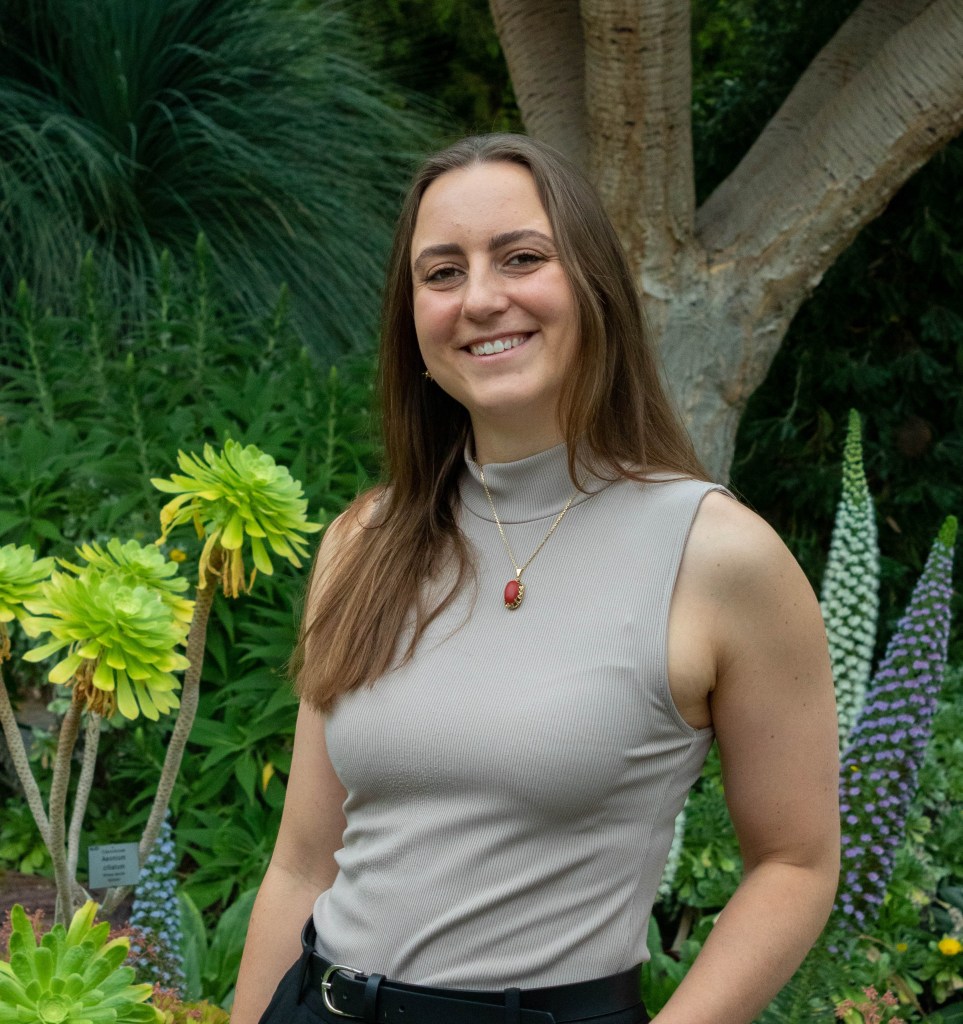
– by Pia Heinrichs
Heinrich Heine Universität Düsseldorf
In 10th grade, my friends jokingly called me “Prof. Dr. Dr. Pia Heinrichs.” If someone had told me back then that I would actually pursue a PhD, I would have laughed. It simply did not feel like a realistic path.
I come from a non-academic background, at least in the traditional sense. One important exception was my godmother, who studied psychology, earned a doctorate, and still works at a university. She was a quiet but constant role model throughout my school years and later during my studies.
After primary school, I first attended a Gymnasium. However, the fast learning pace, limited free time, and especially Latin just were not for me, so I switched to a Realschule. At around 16, I had no clear idea what I wanted to do. The idea of making a final career decision felt overwhelming. Instead, I chose to continue my education, work toward my Abitur, and give myself more time.
During those final school years, I had a highly motivated chemistry teacher who completely changed my perspective. Chemistry, which I had already encountered before, suddenly became engaging and enjoyable. I even wrote my seminar paper on “Grandma’s household tips, chemically examined.” By the end of school, I had made up my mind. I wanted to study chemistry. To be sure, I took an aptitude test for science programs. After receiving a positive result, I completed the application process and eventually began studying chemistry at the Technical University of Munich.
At first, everything seemed manageable. But within a few weeks, the pace increased significantly. After about two months, I realized that my usual study habits were no longer enough. At the same time, I was deeply involved in my local carnival club as that year’s carnival princess, which meant frequent dance performances right during exam season. After the first winter break, I felt completely behind and decided to drop out.
That decision left me questioning everything. I had chosen chemistry out of genuine interest, but now university felt overwhelming. The workload, the speed, and the expectation of independent learning made me doubt whether I was capable of studying at all, especially since school within the last years had not been particularly difficult for me.
For the next six months, I focused on working. I waitressed and gave tutoring in mathematics and French, and once in chemistry. That chemistry session did not go as planned at first. The student needed help with orbital theory, a topic I had not learned yet. I had to work through it from scratch alongside him. Surprisingly, it went well. That moment made me realize that I could handle new and complex material and that maybe chemistry still suited me.
So I decided to try again. This time, I enrolled at LMU Munich, choosing a program with a stronger focus on biochemistry, which I found particularly fascinating, and a better overall strategy. I adjusted my mindset from the beginning. Studying would be my main priority. I reduced my working hours, limited jobs to semester breaks, and relied more on textbooks instead of just lectures.
This approach made a big difference. University was still challenging, but it became manageable. I completed my bachelor’s degree during the COVID-19 pandemic and chose to continue with a master’s degree, partly because job opportunities were limited at the time anyway and a bachelor’s degree in chemistry is often not enough in the job market. During my master’s, research internships brought me closer to academic research. I discovered how much I enjoyed exploring new topics and working deeply on specific questions. The idea of doing a PhD started to return, but I still had doubts. Was I good enough? After all, I had dropped out once and had not been a top student during my bachelor’s.
I decided to wait and see how my master’s thesis would go and whether developing my own research question would suit me. This project took me to Japan for six months and became a turning point. I loved the independence of research, the process of solving problems, and the joy in developing my own ideas. When I returned to Germany, I knew I wanted to pursue a PhD.
Heinrich Heine Universität Düsseldorf
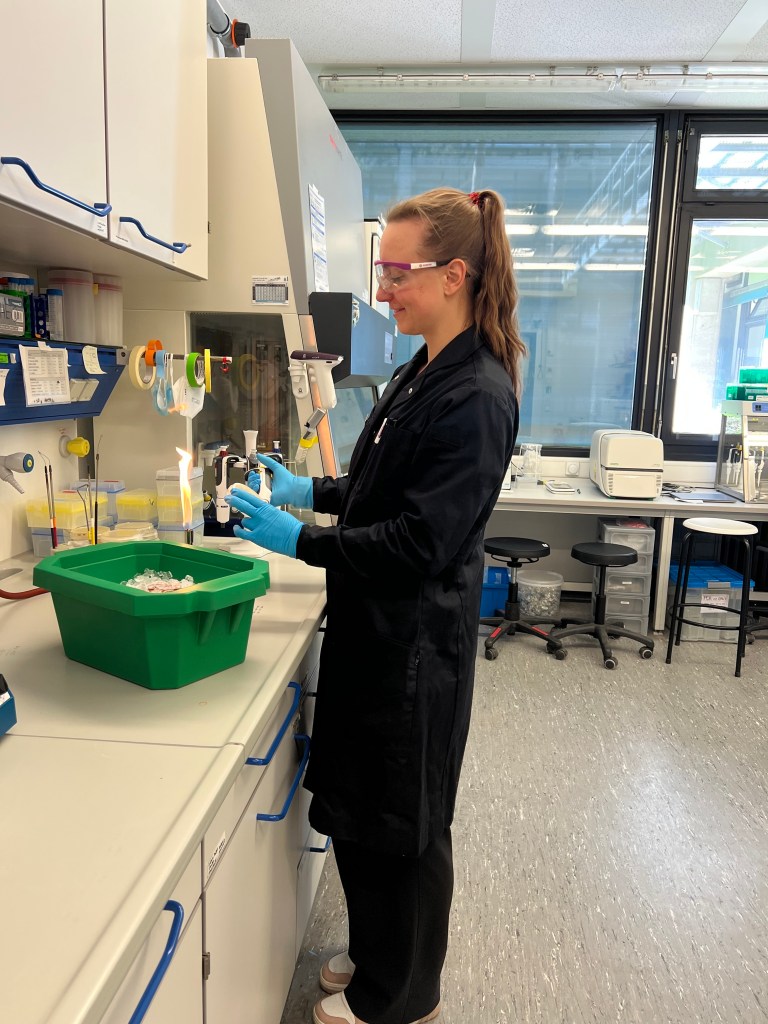
Now, I am starting into my third year of doctoral studies and about halfway through the journey.
Looking back, there are a few things I would like to share:
First, you do not have to be a genius to become a scientist. What matters more is genuine interest, curiosity, and the motivation to keep learning.
Second, the path into science does not have to be linear. Detours such as switching schools, dropping out, or starting over are part of many journeys. Setbacks do not define your abilities. If something truly matters to you, it is always okay to try again and approach it differently the next time.
If there is one thing I have learned, it is this: science is not only for the “perfect” students. There is space for anyone who is curious enough to keep asking questions.
So stay curious and keep going!

