The Day a Water Pump Was Arrested.
– Interview with Finta Francis
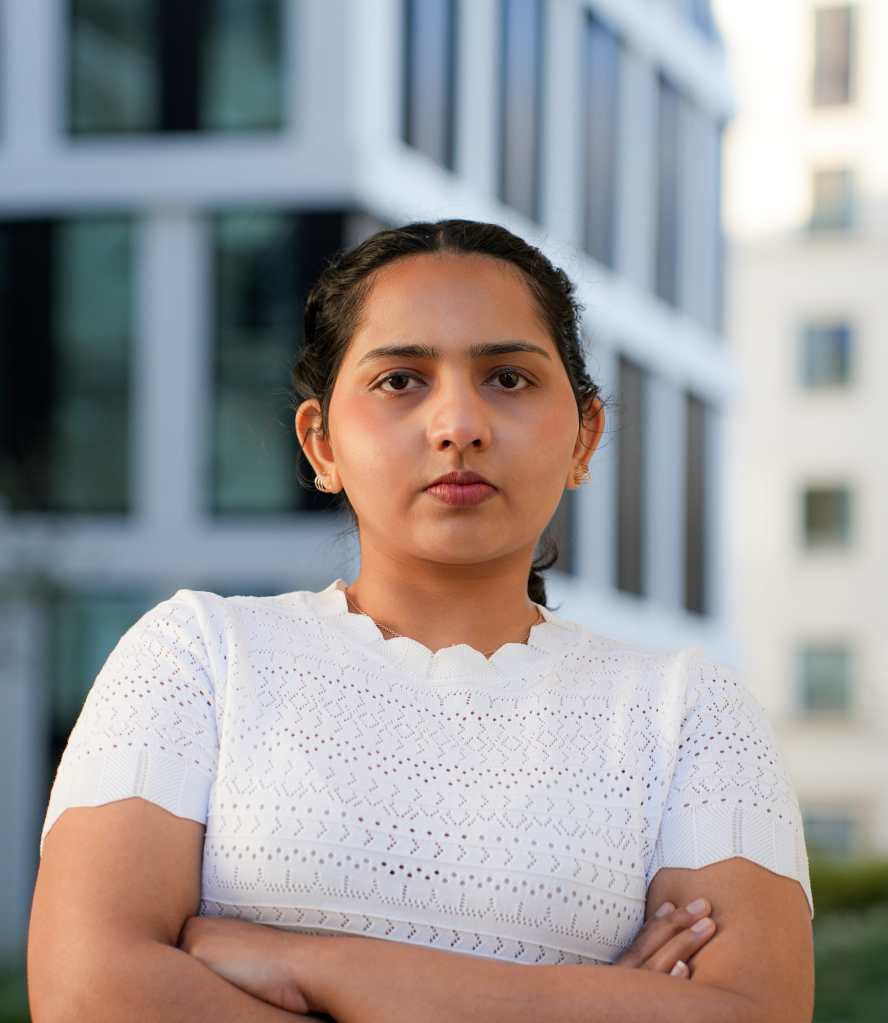
Charite University of Medicine Berlin
Soapbox: Did you choose a scientific career or did the scientific career choose you? Can you tell us about your journey into the world of science and what inspired you to pursue your particular field?
Finta Francis: I would say it was a combination of both. I initially chose medicine because I wanted to work closely with people and contribute directly to improving their lives. However, during my clinical experience, particularly in oncology, I realized that many important questions in patient care remain unanswered.
This uncertainty sparked my curiosity and gradually drew me toward research. I became interested not only in treating disease, but in understanding its underlying mechanisms. In that sense, science “chose me” by continuously presenting questions that I felt motivated to explore more deeply.
Soapbox: During your journey as a scientist, what challenges have you encountered along the way? And if you had the power to alter one (or more) aspect(s) of the scientific culture, what would you change and why?
Finta: One of the main challenges I have faced is transitioning from a clinical environment to a research-oriented mindset. In clinical practice, decisions are often immediate and outcome-driven, whereas research requires patience, persistence, and acceptance of uncertainty.
If I could change one aspect of scientific culture, it would be the way failure is perceived. Negative results and setbacks are a natural part of scientific progress, yet they are often undervalued. Encouraging openness around challenges and recognizing the importance of all results would make science more transparent, collaborative, and ultimately more effective.
Soapbox: What attracted you to Soapbox Science in the first place? Sum up your expectation of the Soapbox Event in three words.
Finta: What attracted me to Soapbox Science is the simplicity and openness of the concept. Bringing science out of lecture halls and laboratories into everyday public spaces makes it more approachable and inclusive for everyone.
I was once inspired by a school event where a person dressed as a historical figure explained important ideas in an engaging and easy-to-understand way for children. That experience showed me how powerful it can be to present knowledge directly to people in a lively and relatable manner. I see a similar spirit in Soapbox Science, where complex topics are shared in a way that invites curiosity and participation.
Three words: Accessible, interactive, inspiring.
Soapbox: What role do you believe science communication plays in bridging the gap between researchers and the general public?
Finta: Science communication is essential for making research accessible and meaningful beyond the scientific community. Without it, important discoveries may remain distant and difficult to understand for the public.
In fields like oncology, clear communication is especially important. Patients and their families often seek to understand their conditions and the science behind treatments. By explaining complex ideas in an understandable way, scientists can build trust, reduce misinformation, and empower people to make informed decisions. I believe communication is not separate from science – it is a core responsibility of it.
Soapbox: What misconceptions do you think people often have about scientists, and how do you aim to change those perceptions?
Finta: A common misconception is that scientists work in isolation and are disconnected from everyday life. In reality, science is highly collaborative and closely linked to societal needs, particularly in medical fields.
Another misconception is that scientists always have clear answers. In fact, uncertainty is central to scientific work, and much of our effort goes into asking the right questions.
I try to address these perceptions by communicating science in a more approachable and relatable way. Whether through discussions with patients or public engagement, I aim to show that scientists are not only researchers, but also individuals motivated by real-world challenges and human impact.
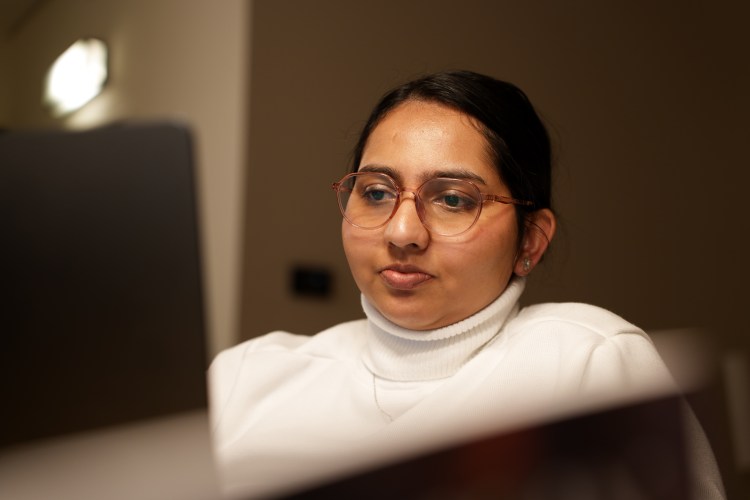
Charite University of Medicine Berlin
Soapbox: What advice would you give to someone interested in pursuing a career in science, particularly young women who may be hesitant to enter the field?
Finta: I would encourage them not to underestimate their place in science. It is natural to feel uncertain, especially in competitive or unfamiliar environments, but curiosity and persistence are far more important than having all the answers from the beginning.
Seeking guidance, asking questions, and being open to learning can make a significant difference. It is also important to recognize that diversity strengthens science. Different perspectives lead to better questions and more innovative solutions. Your voice and experiences are valuable, and they deserve to be part of the scientific community.

